Amazing Companion Plants For Mulberry Trees
Mulberry trees are a versatile and hardy addition to any garden. They can be grown in a variety of climates and soils, and they produce delicious and nutritious fruit. But did you know that planting companion plants near your mulberry tree can actually improve its health and productivity?
Companion planting is a gardening practice that involves planting certain plants together in order to benefit each other. Some companion plants can help to attract beneficial insects, repel pests, improve soil quality, or provide shade. When choosing companion plants for your mulberry tree, it's important to consider the tree's needs and the climate in your area.
Here are some of the best companion plants for mulberry trees:
- Alliums such as garlic, onions, and chives help to repel pests and diseases. They also improve soil aeration and drainage.
- Beneficial insects such as ladybugs, lacewings, and parasitic wasps help to control pests. You can attract these insects by planting flowers such as marigolds, nasturtiums, and yarrow.
- Cover crops such as clover and alfalfa help to improve soil health by fixing nitrogen and suppressing weeds. They can also help to conserve moisture and reduce erosion.
- Fruit trees such as apples, pears, and peaches can help to attract pollinators. They can also provide shade for your mulberry tree, which can help to prevent leaf scorch.
- Herbs such as mint, oregano, and thyme can help to repel pests and attract beneficial insects. They can also add flavor to your mulberry fruit.
Here are some additional tips for planting companion plants with mulberry trees:
- Plant companion plants within 5 feet of your mulberry tree.
- Choose companion plants that have similar water and sunlight requirements.
- Avoid planting companion plants that are susceptible to the same pests or diseases as your mulberry tree.
- Mulch around your mulberry tree and companion plants to help retain moisture and suppress weeds.
- Water your mulberry tree and companion plants regularly, especially during hot, dry weather.
- Fertilize your mulberry tree and companion plants according to their needs.
By planting companion plants with your mulberry tree, you can help to improve its health and productivity. You can also create a more beautiful and inviting garden.
Mulberry trees are a great addition to any garden, but they can be even more productive when planted with companion plants. Companion plants are those that benefit each other by attracting beneficial insects, repelling pests, or providing nutrients and support. Some of the best companion plants for mulberry trees include:
- Comfrey: Comfrey is a nitrogen-fixing plant that can help to improve the soil quality around your mulberry tree. It also attracts beneficial insects, such as ladybugs and lacewings, which help to control pests.
- Nasturtiums: Nasturtiums are another nitrogen-fixing plant that can help to improve the soil quality around your mulberry tree. They also attract beneficial insects, such as aphids and whiteflies, which can be harmful to mulberry trees.
- Alliums: Alliums, such as garlic, onions, and chives, can help to repel pests, such as deer, rabbits, and rodents. They also add flavor to your mulberry harvest.
- Other fruit trees: Mulberry trees can be planted near other fruit trees, such as apples, pears, and peaches. This can help to attract pollinators and improve the overall productivity of your garden.
For more information about mulberry companion plants, please visit Gardenia Inspiration.
FAQ of mulberry companion plants
Q: What are some good companion plants for mulberry trees?
A: Mulberry trees are relatively easy to care for and can be grown in a variety of soil types. However, there are some companion plants that can help to improve the health and productivity of your mulberry tree. Some good options include:
- Nitrogen-fixing plants: These plants, such as legumes, help to add nitrogen to the soil, which can benefit the growth of your mulberry tree. Some examples of nitrogen-fixing plants include peas, beans, and clover.
- Herbs: Herbs can help to repel pests and diseases, which can help to keep your mulberry tree healthy. Some good options include mint, rosemary, and lavender.
- Flowering plants: Flowering plants can add beauty and interest to your garden, and they can also attract pollinators, which can help to improve the pollination of your mulberry tree. Some good options include marigolds, sunflowers, and daisies.
- Vegetables: Vegetables can also be grown successfully in the same area as mulberry trees. Some good options include tomatoes, cucumbers, and squash.
Q: What are some plants that should not be planted near mulberry trees?
A: There are a few plants that should not be planted near mulberry trees, as they can compete with the tree for resources or attract pests and diseases. Some plants to avoid include:
- Other large trees: Planting another large tree too close to a mulberry tree can lead to competition for sunlight, water, and nutrients.
- Grapevines: Grapevines can be susceptible to the same pests and diseases as mulberry trees, so planting them near each other can increase the risk of infection.
- Potatoes: Potatoes can be susceptible to a fungus called verticillium wilt, which can also infect mulberry trees.
- Cabbages: Cabbages can attract the same insect pests as mulberry trees, such as aphids and cabbage worms.
Q: How far apart should mulberry trees be planted?
A: The spacing between mulberry trees will depend on the variety of tree you are planting and the desired size of the tree. In general, you should plant mulberry trees at least 15 feet apart. If you are planting multiple trees in a row, you should space them 20 feet apart.
Q: How do I care for mulberry trees?
A: Mulberry trees are relatively low-maintenance, but they do require some basic care. Here are some tips for caring for mulberry trees:
- Plant your mulberry tree in a sunny location with well-drained soil.
- Mulch around your mulberry tree to help retain moisture and suppress weeds.
- Water your mulberry tree regularly, especially during dry periods.
- Fertilize your mulberry tree once a year in spring with a balanced fertilizer.
- Prune your mulberry tree as needed to maintain its shape and size.
Q: How do I propagate mulberry trees?
A: Mulberry trees can be propagated from seed, cuttings, or grafting. Seed propagation is the most common method, but it can be time-consuming and unpredictable. Cutting propagation is a more reliable method, but it requires more skill. Grafting is the most efficient method, but it requires specialized tools and knowledge.
Image of mulberry companion plants
5 different images of mulberry companion plants from Pinterest:
- Chives: Chives are a good companion plant for mulberries because they help to repel pests and diseases. They also add nitrogen to the soil, which is beneficial for mulberries.
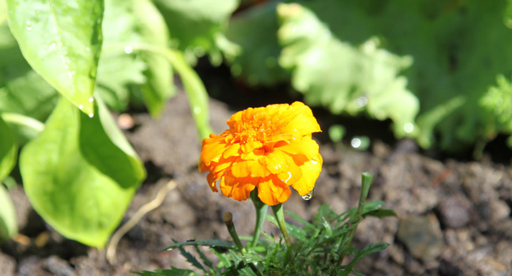
- Marigolds: Marigolds are another good companion plant for mulberries. They also help to repel pests and diseases, and they can improve the flavor of the mulberries.
- Garlic: Garlic is a good companion plant for mulberries because it helps to repel pests and diseases. It also has antifungal properties, which can help to protect mulberries from diseases like powdery mildew.

- Lemon balm: Lemon balm is a good companion plant for mulberries because it helps to attract pollinators. It also has insecticidal properties, which can help to repel pests.

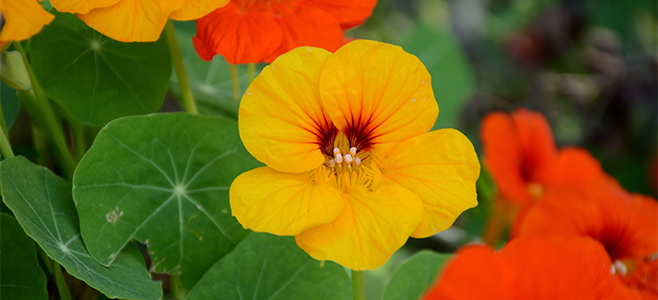
- Nasturtiums: Nasturtiums are a good companion plant for mulberries because they help to attract pollinators. They also have insecticidal properties, which can help to repel pests.


Post a Comment for " Amazing Companion Plants For Mulberry Trees"